September 11, 2026
Understanding the process and requirements for trenching for utilities is crucial for homeowners planning significant property modifications. Trenching creates pathways for water, electrical, gas, sewer, and communication lines that support renovations, additions, and infrastructure upgrades. Although excavation can temporarily disrupt a property, careful planning can help reduce complications and protect existing features. Homeowners who understand the major stages of the process are also better prepared to communicate with utility providers and local excavating contractors. From identifying underground lines to restoring the landscape after installation, each step requires attention to safety, regulations, and long-term performance.
Understanding the Purpose of Utility Trenching
Trenching is the process of digging narrow passages in the ground to accommodate underground pipes, conduits, cables, and other utility infrastructure. Trenches are generally deeper than they are wide, although their dimensions depend on the utility being installed, soil conditions, local codes, and project specifications. Excavation methods must account for the stability of the surrounding soil and the safety of anyone working near or inside the trench.
Underground trenching helps distribute essential services while keeping utility infrastructure protected and largely out of sight. Water, natural gas, electrical, sewer, and communication systems may all require dedicated underground routes. According to Dig Different, the United States has more than 2.5 million miles of underground pipelines beneath its surface, illustrating the enormous scale of underground infrastructure. Proper trenching helps new installations become part of these broader networks while limiting unnecessary disruption to surrounding property.
Evaluating the Property Before Excavation
A detailed site assessment should take place before excavation begins. The assessment may identify existing utility lines, structures, landscaping, tree roots, drainage systems, slopes, pavement, and other obstacles that could affect the proposed route. Soil characteristics are another important consideration because loose, wet, rocky, or unstable ground can influence excavation methods and safety precautions. Experienced local excavating contractors can evaluate site conditions and determine which equipment and excavation techniques are appropriate for the property.
Weather and seasonal conditions should also be considered. Heavy rain can saturate soil, increase erosion, and create unstable trench walls, while frozen ground can make excavation more difficult. Planning the work for suitable conditions may improve efficiency and reduce restoration requirements. Homeowners should also consider how excavation will affect access to driveways, walkways, yards, and other frequently used areas.
Identifying Existing Underground Utilities
Locating buried infrastructure is one of the most important preparations for trenching. Existing gas, electrical, water, sewer, and communication lines may cross the proposed excavation area. Accidentally striking one of these utilities can cause service interruptions, property damage, injuries, or other serious hazards. Homeowners should use the appropriate utility-location service before digging so covered lines can be identified and marked.
Utility markings provide excavation crews with valuable information, but site conditions can sometimes require additional investigation. Records may be incomplete, private utility lines may not be included in standard markings, and older properties may contain abandoned infrastructure. When necessary, specialized locating methods can provide additional information before digging begins. Homeowners should never assume an area is safe for excavation simply because no visible utilities appear above ground.
Obtaining Permits and Meeting Local Requirements
Depending on the location and project, excavation may require permits or approvals from municipal authorities, utility providers, or other agencies. Regulations can establish requirements for trench dimensions, setbacks, utility separation, inspections, and restoration. Requirements may also vary depending on whether work occurs entirely on private property or extends into a public right-of-way.
Homeowners should identify these obligations early rather than waiting until excavation is ready to begin. Failure to secure required approvals can result in delays, fines, additional work, or failed inspections. Working with local excavating contractors who understand regional requirements can simplify the planning process, although property owners should still confirm which responsibilities belong to them and which are handled by the contractor.
Designing an Efficient Trench Layout
A carefully designed trench route can improve efficiency while reducing unnecessary excavation. The layout should provide an appropriate path between connection points while avoiding buildings, foundations, major tree roots, septic components, drainage features, and existing utilities whenever practical. Different utilities may also require specific horizontal or vertical separation, making accurate planning essential when several services share the same general area.
Future property plans should be considered during the design stage as well. A homeowner expecting to add an outdoor structure, irrigation system, detached garage, or other improvement may benefit from planning utility access accordingly. Thoughtful routing can reduce the likelihood that completed landscaping or hardscaping will need to be excavated again for future upgrades.
Selecting Equipment for the Project
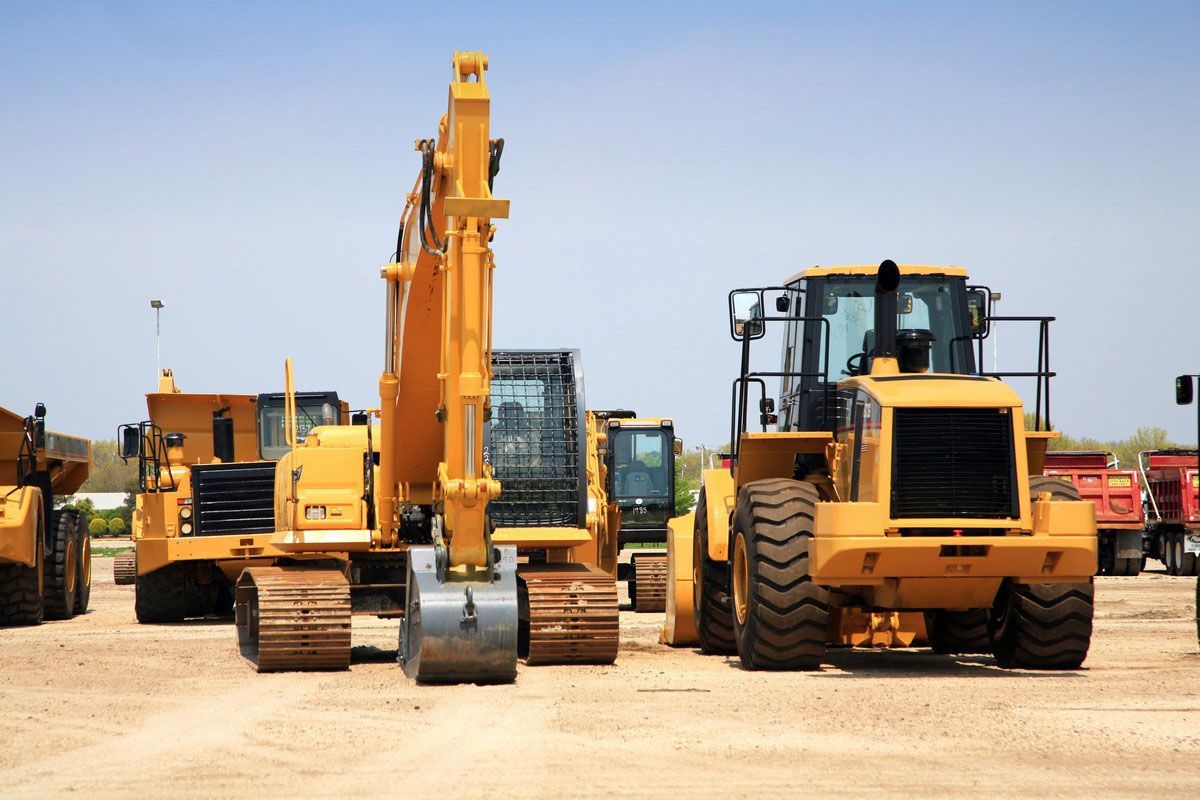
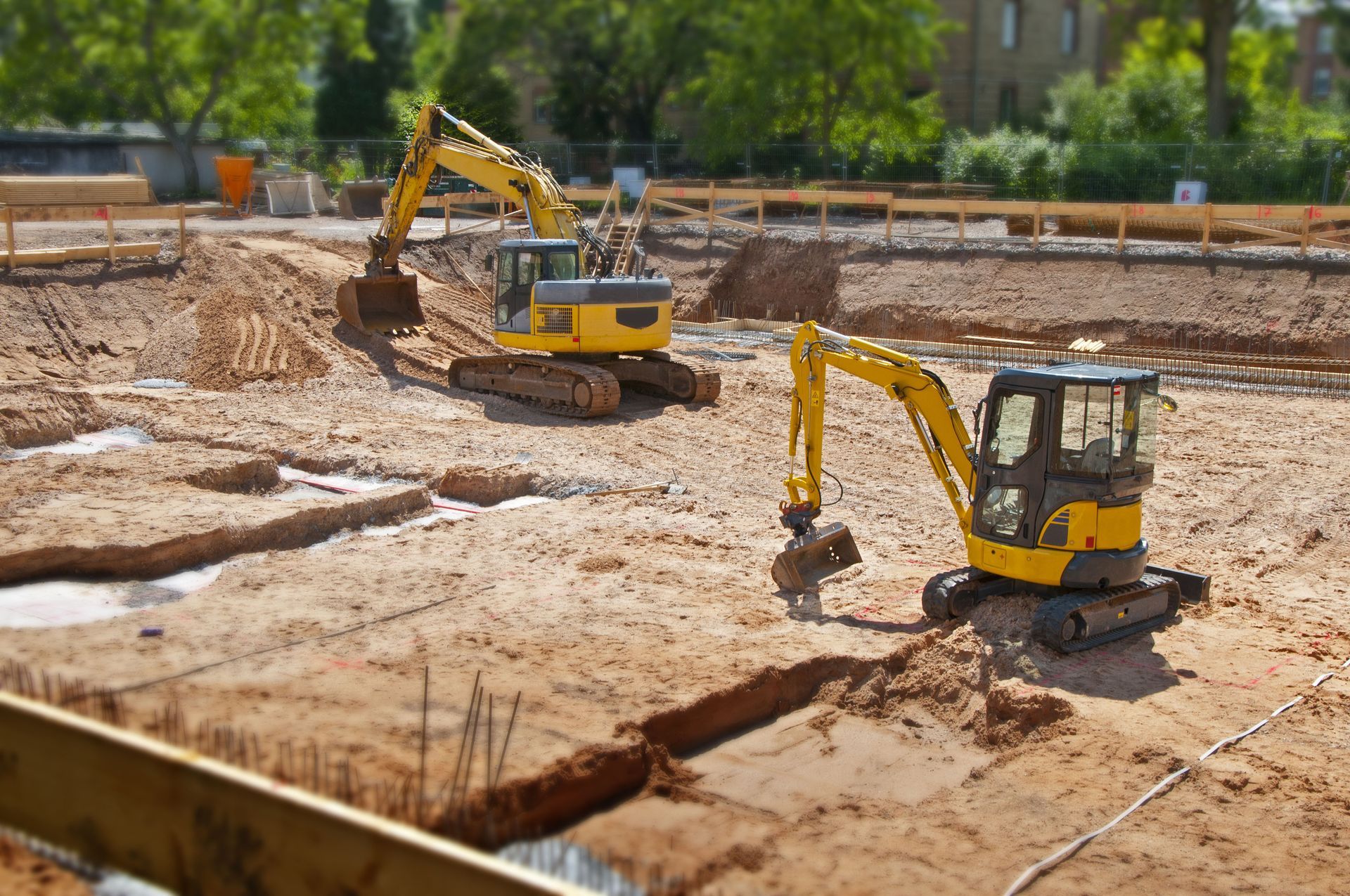
The equipment required depends on trench dimensions, soil conditions, accessibility, and the type of utility work being performed. Excavators and dedicated trenching machines can remove soil efficiently on larger projects, while compact equipment may be better suited to confined residential areas. Hand tools may still be necessary near existing utilities or in spaces where machinery cannot safely operate.
Equipment selection can affect both productivity and property disturbance. A machine that is unnecessarily large may damage landscaping or have difficulty accessing narrow areas, while equipment that is too small can increase excavation time. Local excavating contractors can match machinery to site conditions and coordinate supporting equipment for soil handling, grading, and restoration.
Following Essential Excavation Safety Practices
Trenches present significant safety hazards, including cave-ins, falls, falling materials, equipment incidents, and encounters with underground utilities. Appropriate protective systems may be required depending on trench depth, soil classification, and site conditions. Shoring, shielding, sloping, and other protective methods are used in applicable situations to reduce the risk of trench collapse.
The work area should also be secured to prevent children, pets, visitors, and unauthorized individuals from entering. Equipment operators and ground personnel need clear communication, especially when machinery is working near buildings or marked utilities. Personal protective equipment and appropriate access procedures further support a safer work environment. Contractors are responsible for following applicable occupational safety requirements throughout excavation.
Excavating and Preparing the Trench
Once permits, utility markings, plans, and safety measures are in place, excavation can begin. The proposed trench path is marked, and soil is removed gradually to the specified depth and width. Excavated material should be positioned so that it does not overload trench edges, obstruct access, or interfere with equipment movement.
Conditions should be monitored throughout excavation because soil characteristics can change along the trench route. Unexpected rock, groundwater, buried debris, old utility lines, or unstable soils may require adjustments. Experienced local excavating contractors can respond to changing conditions while maintaining the intended utility route and appropriate safety precautions.
Installing and Inspecting Utility Lines
After excavation is completed, the trench is prepared for the utility installation. Depending on project specifications, this may involve grading the bottom, adding bedding material, placing conduit, or preparing connection points. Pipes, cables, and other components must be positioned according to applicable requirements and manufacturer specifications.
Inspection and testing generally occur before the trench is completely filled. Water and gas piping may require appropriate testing, while electrical installations may need verification of connections and protective components. Completing required inspections before backfilling makes problems easier to correct and helps prevent the need to reopen the trench later.
Modern monitoring equipment and smart utility technologies can also help homeowners understand energy and water consumption more effectively. Regardless of the technology involved, underground infrastructure remains dependent on proper planning and installation. By coordinating with utility providers, inspectors, and local excavating contractors, homeowners can approach trenching as a carefully managed infrastructure project that supports reliable service, property functionality, and future improvements. Contact our team at W. Rineer Excavating & Trucking LLC today and learn more about excavating services.