November 13, 2026
Excavation is a crucial process in the construction of building foundations and basements. It involves removing earth, soil, and rock to create a suitable space for structural support. Proper excavation ensures that foundations rest on stable ground, reducing the risk of settlement, water damage, and structural instability. Working with an experienced excavating company helps property owners prepare construction sites safely and efficiently. This article explores the essential excavation methods, soil analysis techniques, safety measures, and technological advancements involved in establishing strong and durable foundations and basements.
Understanding the excavation process
Excavation involves several methods tailored to specific construction requirements. Common approaches include trenching, open excavation, and horizontal excavation. Trenching is frequently used for installing underground utilities, while open excavation accommodates larger foundations and basements. The appropriate technique depends on soil conditions, available space, structural requirements, and project specifications. Selecting the correct method improves efficiency while minimizing unnecessary ground disturbance.
Excavation planning also influences construction timelines and budgets. According to This Old House, constructing a 1,000-square-foot basement typically involves excavating roughly 300 cubic yards of soil. This substantial amount of earthmoving demonstrates why accurate calculations, equipment selection, and material disposal planning are essential. Urban projects may require precise digging techniques to protect neighboring buildings and underground infrastructure. Rural construction sites often provide greater flexibility for equipment movement and material storage. An excavating company can evaluate these conditions and recommend suitable excavation strategies. Careful planning reduces unexpected complications and supports efficient coordination between construction professionals.
Choosing excavation equipment and tools
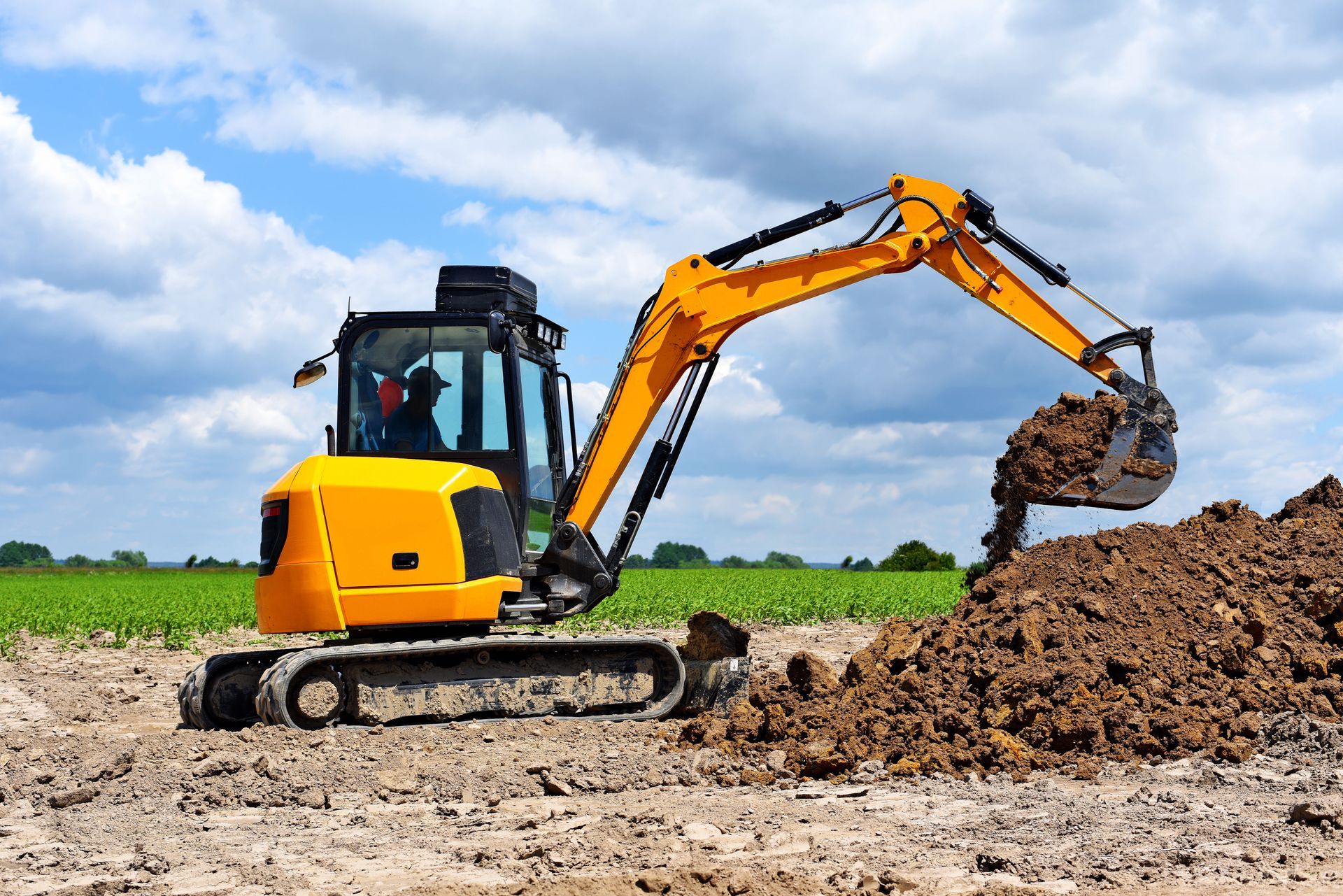
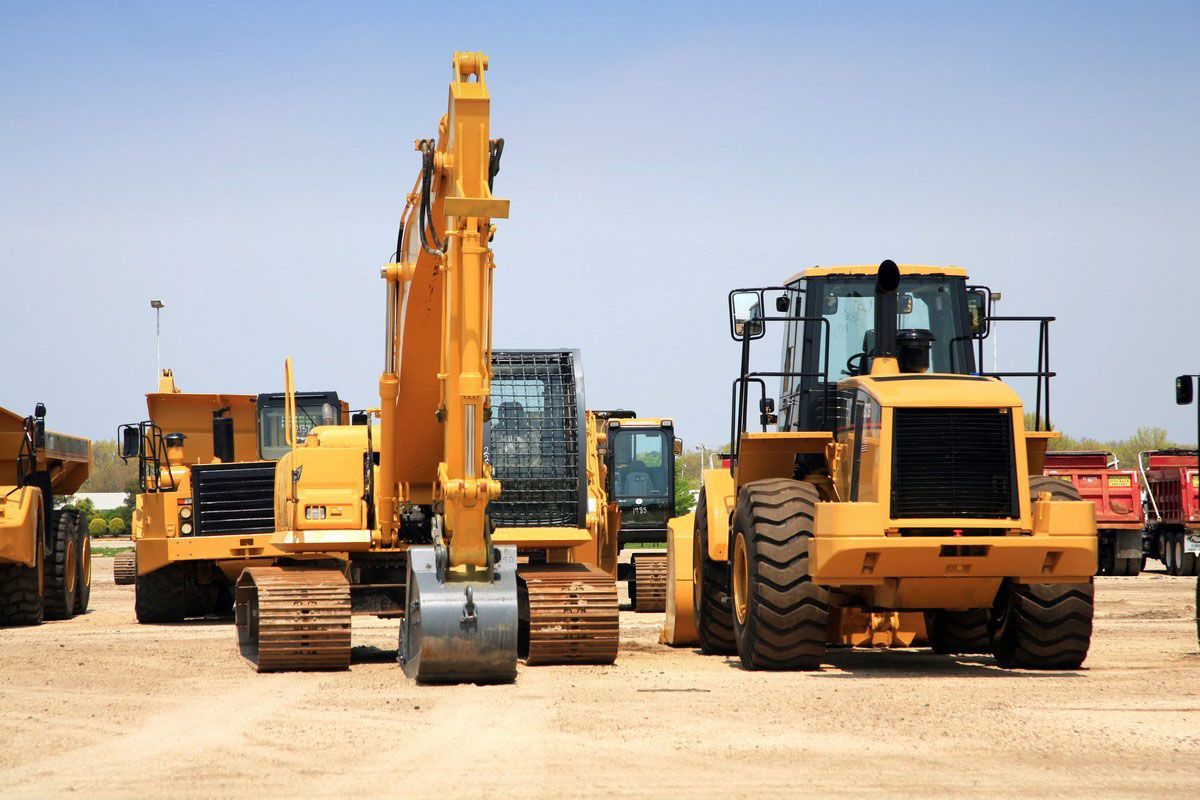
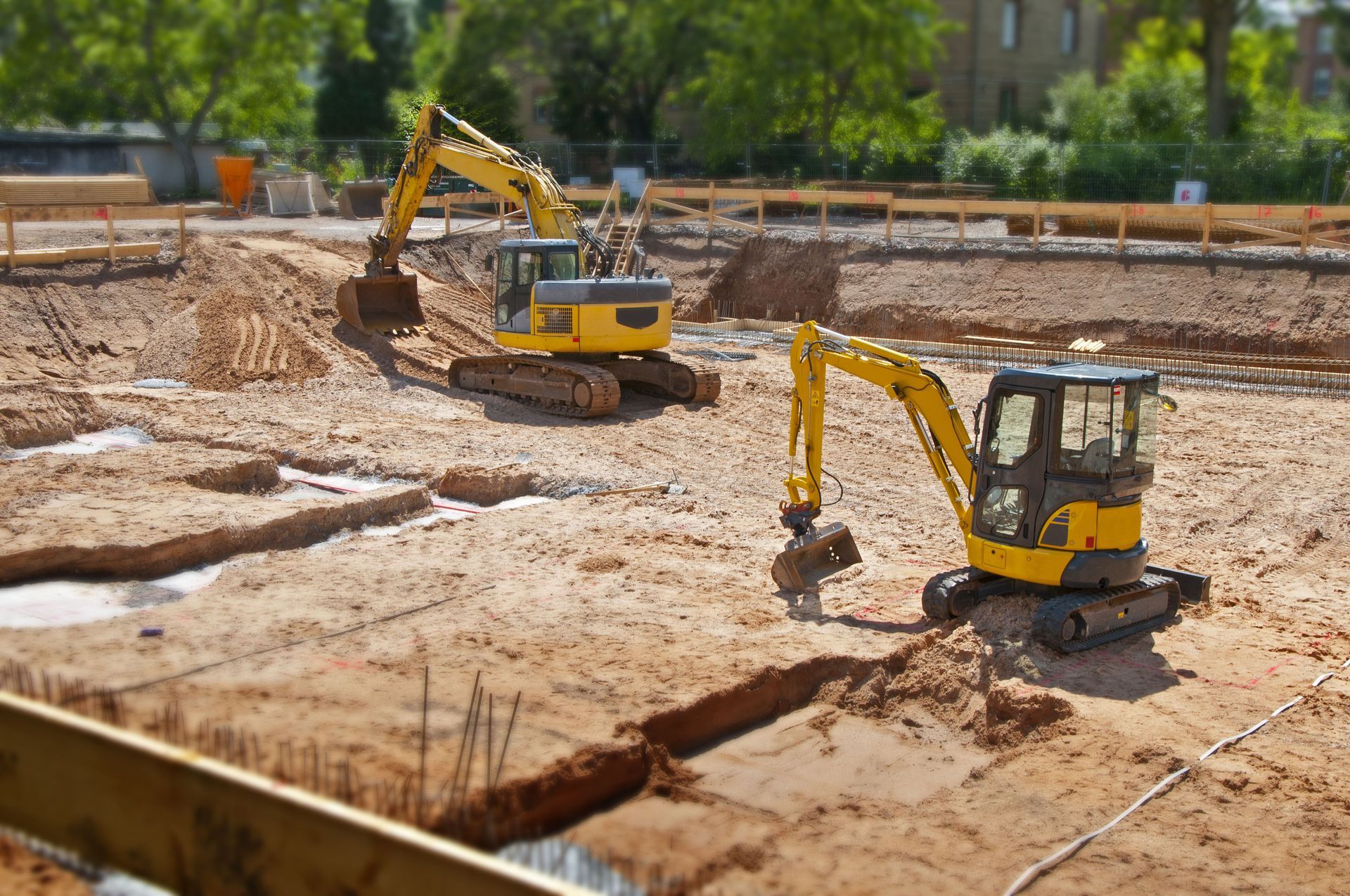
Excavation projects require specialized equipment capable of removing soil and preparing construction sites efficiently. Excavators, bulldozers, backhoes, and trenchers perform different functions depending on the project's size and complexity. Large excavators handle substantial earthmoving operations, while compact machinery provides greater maneuverability in restricted spaces. Selecting appropriately sized equipment helps prevent unnecessary property damage and improves operational efficiency.
Modern excavation equipment frequently incorporates GPS technology, digital modeling, and automated grading systems. These advancements help operators maintain accurate excavation depths and follow construction specifications. Regular equipment inspections and preventive maintenance also reduce mechanical failures that could interrupt construction schedules. Experienced operators understand how to use machinery safely while adapting to changing ground conditions.
Preparing construction sites for excavation
Site preparation establishes the conditions necessary for successful excavation. Initial activities include removing vegetation, clearing debris, identifying property boundaries, and surveying the construction area. Existing underground utilities must also be located before digging begins to prevent accidental damage. Proper preparation helps construction teams identify obstacles and coordinate excavation activities with the approved building plans.
Grading and drainage considerations are equally important during site preparation. Uneven terrain may require leveling to provide stable access for heavy machinery. An excavating company can coordinate site preparation activities while accounting for soil conditions, accessibility, and construction requirements. Obtaining necessary permits and following local regulations further reduces the likelihood of costly project interruptions.
Implementing essential excavation safety measures
Excavation presents significant safety risks, including trench collapses, falling materials, equipment accidents, and underground utility damage. Construction teams must implement protective measures appropriate to excavation depth, soil conditions, and surrounding structures. Depending on site conditions and applicable regulations, protective systems may include sloping, benching, shoring, or trench shields. Workers also need appropriate protective equipment and training before entering hazardous work areas.
Regular inspections help identify unstable soil, water accumulation, and other developing hazards. Under applicable OSHA requirements, inspections must be performed by a competent person, including when changing conditions could create additional risks. An excavating company that prioritizes safety procedures can help minimize accidents while maintaining an organized construction environment. Emergency response planning and effective communication further strengthen workplace protection.
Evaluating soil conditions and bearing capacity
Soil analysis determines whether the ground can adequately support a proposed foundation. Geotechnical professionals evaluate soil composition, moisture levels, density, and bearing capacity through techniques such as borehole sampling, standard penetration testing, and cone penetration testing. These assessments identify potential weaknesses that could cause foundation settlement or instability. Understanding subsurface conditions allows engineers to develop appropriate foundation designs.
Different soil types present unique construction challenges. Sandy soils may require additional support during excavation, while expansive clay can change volume as moisture conditions fluctuate. Rocky terrain may demand specialized removal equipment. An excavating company can use geotechnical recommendations to select suitable digging methods and coordinate necessary soil improvements. Accurate soil assessments also help construction teams anticipate challenges before significant earthmoving begins.
Addressing soil compaction and stabilization
Soil compaction plays an important role in foundation performance because improperly compacted fill can settle under structural loads. Construction professionals use specialized rollers, compactors, and testing equipment to achieve specified soil density. Appropriate compaction improves load distribution and reduces the likelihood of uneven settlement. However, excessive compaction in surrounding landscaped areas can restrict drainage and negatively affect vegetation.
When existing soil cannot provide adequate structural support, engineers may recommend stabilization methods such as replacing unsuitable material, incorporating engineered fill, or using approved soil treatments. Some projects require deeper foundation systems that transfer structural loads to stronger underground layers. Following geotechnical recommendations helps ensure that soil improvements meet project requirements and support long-term structural stability.
Managing groundwater and drainage challenges
Groundwater can complicate excavation by weakening soil, flooding work areas, and creating additional pressure against excavation walls. High water tables may require temporary dewatering systems, drainage pumps, or specialized retaining structures. These measures help maintain workable conditions while protecting workers and nearby structures. Groundwater management must also account for environmental regulations and potential impacts on surrounding properties.
Effective drainage planning extends beyond the excavation phase. Foundation drains, waterproofing systems, and properly graded surrounding surfaces help direct water away from basement walls. An excavating company can coordinate earthmoving activities with drainage requirements to establish appropriate slopes and elevations. Addressing water management early reduces the likelihood of future moisture intrusion and foundation deterioration.
Comparing common excavation techniques
Open cut excavation is commonly used for foundations and basements requiring substantial ground removal. This approach provides access for machinery and construction crews but may require additional space for safe slopes or engineered support systems. Trench excavation creates narrower openings for underground utilities, drainage systems, and certain foundation components. Both methods require careful evaluation of soil stability and nearby infrastructure.
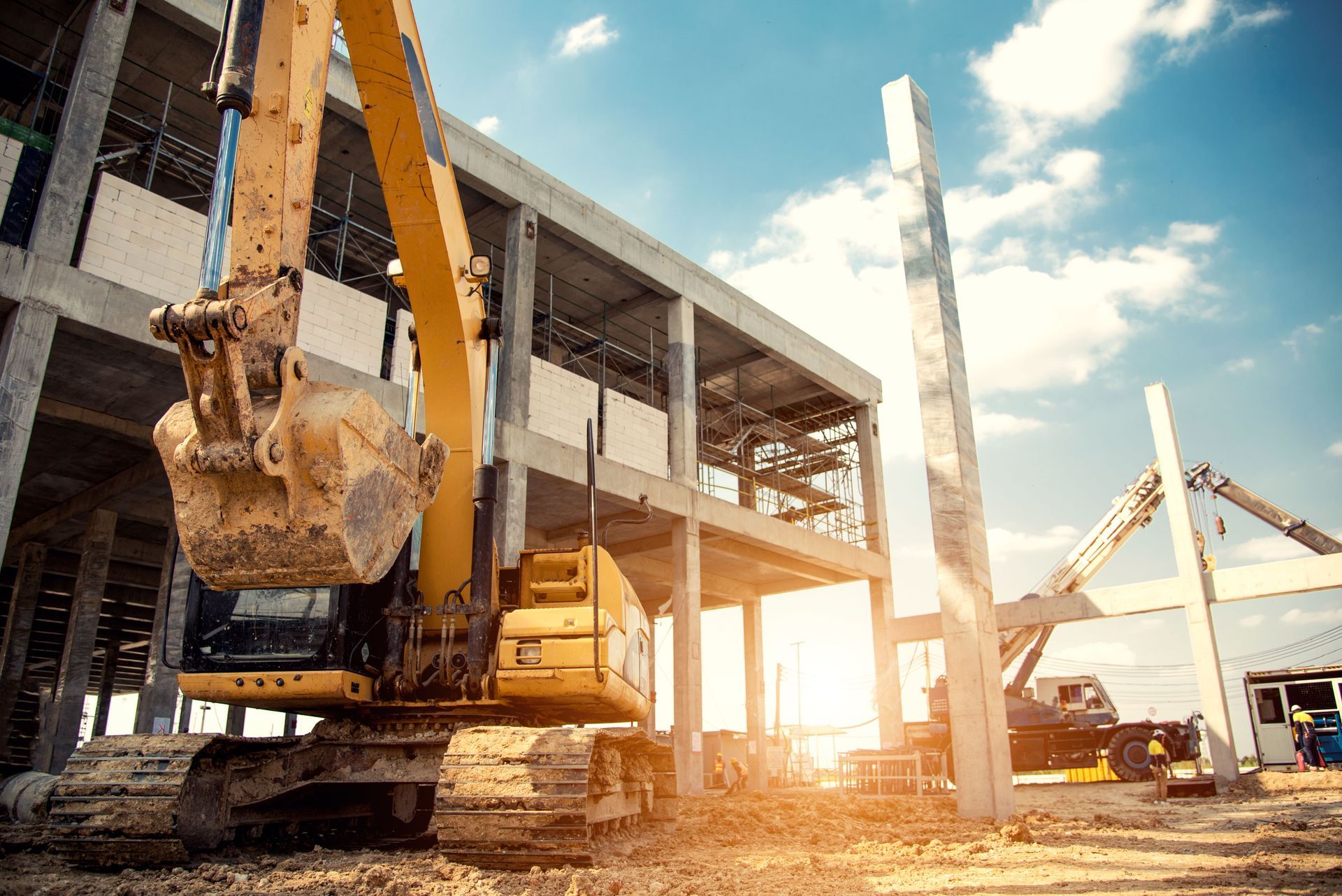
Top-down excavation is sometimes used in densely developed areas where space is limited. This method allows portions of a structure to be constructed while excavation progresses beneath them. Bottom-up construction follows a more traditional sequence, beginning with excavation and foundation installation before aboveground construction proceeds. In rocky conditions, specialized mechanical breaking or controlled blasting may be considered, subject to engineering assessments, permits, and safety requirements.
Reducing environmental impacts during excavation
Responsible excavation practices help protect surrounding ecosystems and minimize construction-related disturbances. Erosion controls, sediment barriers, dust suppression, and appropriate material disposal reduce potential environmental damage. Construction teams should also manage stormwater runoff to prevent sediment from entering nearby drainage systems and waterways. Reusing suitable excavated materials can reduce transportation requirements and unnecessary waste.
Successful excavation ultimately depends on combining appropriate equipment, reliable soil information, experienced personnel, and careful planning. An excavating company plays an important role in preparing stable ground for foundations and basements while addressing safety, drainage, and environmental requirements. By investing in thorough site evaluations and effective excavation practices, property owners can reduce construction risks and establish a dependable foundation for long-term structural performance. Contact W. Rineer Excavating & Trucking LLC today and learn more about our excavating services.